21 September 2026

Answering The Question, "why Do I Pee When I Sneeze?"

Presented by @louisfxps929

Why Do I Pee When I Cough? Surgery is generally reserved for when pelvic floor therapy and various other options have not assisted enough, and leakages are still affecting your daily life. Urinary system urinary incontinence (UI) is the loss of bladder control, or being incapable to control urination. It can range from being a small issue to something that greatly influences your life. Behavior adjustments are often the primary step in managing anxiety urinary system incontinence and are commonly combined with various other treatments. As a registered nurse who's worked in geriatrics for over 14 years, I recognize first hand that alters in bladder control can be a typical part of aging.

Just How To Quit Pee Leakage When Coughing

When you cough, your abdominal muscles tighten up, instantaneously boosting pressure on the bladder. If your pelvic floor muscular tissues or urethral sphincter are weak, they can not hold back the urine, causing leak. Yes, anxiety incontinence can get worse, particularly with continuous triggers such as persistent coughing Periurethral injection or weight adjustments. " Pelvic flooring therapy is a terrific choice for ladies experiencing these signs and symptoms. A therapist will coach you through a variety of workouts to enhance your pelvic flooring muscles so they work better and efficiently," Phanavong says. You don't have to just manage anxiety urinary incontinence; you can really repair it. Beginning with a pelvic floor physiotherapist if you can access one. Take charge of your health and wellness, explore the ideal pee leak treatment, and consult a healthcare provider to gain back control.

Exactly How Is Urinary System Incontinence (ui) Identified?

Why do I pass pee every time I cough?

Leaking pee when there''s pressure on your bladder is the key sign of anxiety urinary incontinence. Moderate stress and anxiety incontinence might cause you to leakage a few declines of pee while chuckling, coughing, sneezing, squatting or doing hefty exercise.

In males, a rectal assessment will establish if the prostate is bigger. When surgical procedure is suggested, we can make use of minimally intrusive strategies that have a shorter healing period to ensure that individuals can get back to their lives. Additionally, there are recurring study studies for ways to boost urinary incontinence therapy, including access to care issues, client education, and better post-operative healing.
  • Finally, the details of the treatment history were not videotaped, which made it tough to examine the influence of treatment on UI.
  • It happens when pressure on your bladder-- from activities like laughing, coughing, sneezing, or moving-- causes you to leakage pee.
  • In this short article, we'll reveal why pee leak takes place during coughing, the main reasons, and just how to handle it successfully.
  • While outcomes might not be long-term, the treatment can considerably lower signs and may be duplicated if needed.
  • Understanding exactly how to train your bladder is something that is done most properly when your registered nurse can help you, but it's feasible for you to discover how to educate your bladder yourself.
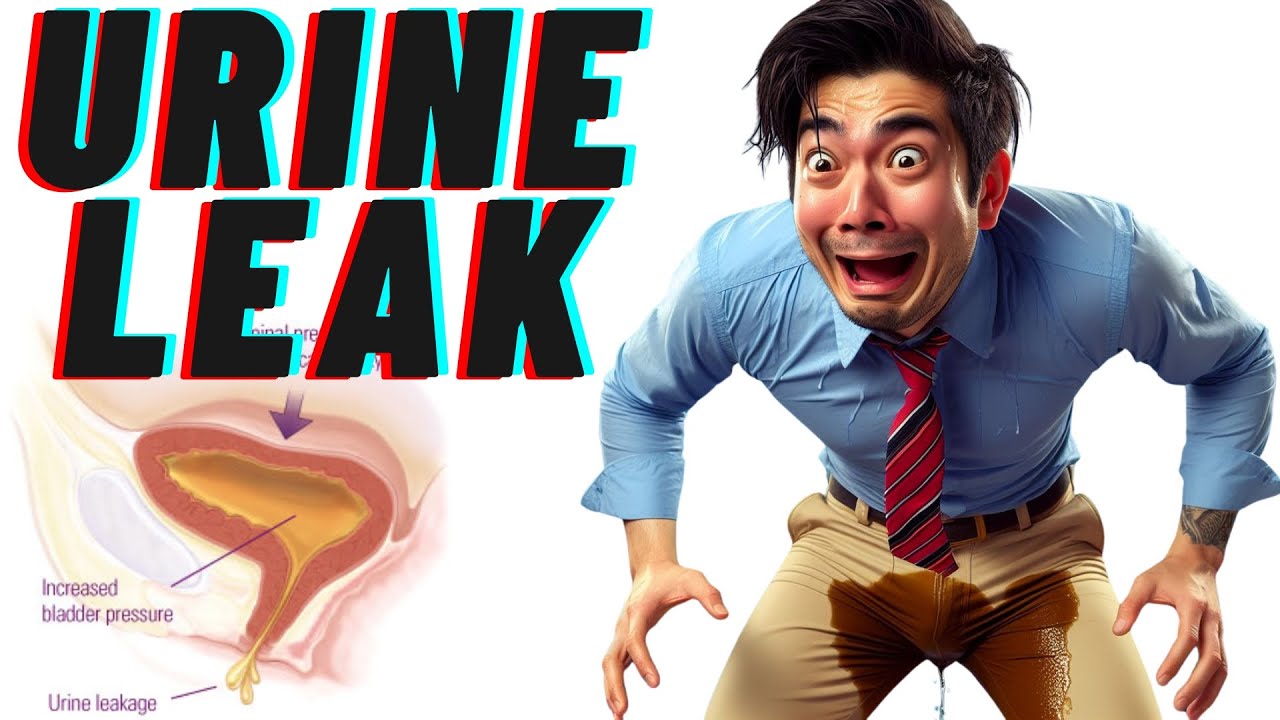
When these muscle groups interact successfully, it can aid support the bladder and boost control over pee circulation. Deep breathing boosts recognition and activation of your pelvic floor muscle mass, aiding you involve and unwind them as needed. Gradually, strengthening this mind-muscle link can minimize the risk of unintended leakages, especially throughout activities like coughing, sneezing, laughing, or exercising. Diaphragmatic breathing additionally helps in reducing stress in the abdominal area and pelvic region, which can additionally improve bladder feature and control. It's the most common explanation for pee leak throughout coughing, sneezing, or physical activity. Stress urinary incontinence is when we leakage urine under high pressure conditions such as laughing, coughing, sneezing, or performing physical activity that requires supporting our abdominal area. Workouts to enhance your pelvic flooring, such as the Kegel exercises described above, can enhance hip, core, and pelvic flooring muscles to help hold pee inside the bladder, avoiding leak. Your PT might advise combining strengthening workouts with a device called a pelvic trainer. Put right into your vaginal area, pelvic trainers have sensors that supply actual time psychophysiological feedback to check your pelvic floor contractions. The good news is, there are many points you can do to treat anxiety urinary incontinence. Yet, an easy method to stop peeing when you cough or sneeze is a workout technique generally referred to as "the knack". Daytime/Night-time Cough signs and symptom score (CSS) and coughing Aesthetic Analogue Range (VAS) were used to examine the regularity and the seriousness of cough. Daytime/Night-time CSS are ranging from 0 to 5, 0 for no cough, 5 for unmanageable cough, and lack of ability to do everyday tasks or go to sleep [21] Zero represents no coughing and 100 represents one of the most extreme cough. Beginning therapy early can help stop your bladder leak from getting worse and make your signs easier to take care of. Kegels, particularly, include contracting and holding the pelvic floor muscular tissues for a couple of secs each time, and can be done quietly throughout the day. Working with a physiotherapist or urologist can additionally help men create a tailored pelvic floor exercise strategy tailored to their particular requirements. Stress incontinence can additionally be among the symptoms of pelvic body organ prolapse, diabetes, and also infection. This is why very early signs of feasible incontinence should constantly receive medical interest to prevent intensifying of both signs and pelvic flooring feature. Your medical professional will certainly request your wellness background and carry out a pelvic examination. Throughout the exam, your doctor may ask you to lower or coughing to see just how much pee you leakage. Additionally, we discovered that the CSS and cough VAS were comparable among various causes in this research. The etiological circulation did not play an predominent function in UI. This study still provided a vital effects in clinical, but further study targeted at people from the area ought to be Obesity conducted to verify it in the future. Tension urinary system incontinence (SUI) is described as the spontaneous leak of pee following initiative or physical effort observed while you laugh, coughing, or sneeze.